

Lemoyne-Owen College: A beacon of education
Explore the rich history and profound impact of Lemoyne-Owen College, a vital institution born from the ashes of adversity, dedicated to empowering Black communities through education.

The resilient roots of Lemoyne-Owen College
The origins of Lemoyne-Owen College trace back to 1862, when the American Missionary Association sent Lucinda Humphrey to Camp Shiloh, near Memphis. Her mission was to teach African Americans who had escaped slavery and sought protection behind Union lines. She provided basic reading and writing skills to formerly enslaved individuals and other Black refugees. The school moved to Memphis in 1863, becoming known as Lincoln Chapel. However, in 1866, racial violence erupted after federal troops withdrew from Memphis, and the school was tragically destroyed by fire during the riots. Rebuilt and reopened in 1867, it served about 150 students with six dedicated teachers. A pivotal moment occurred in 1870 when Dr. Francis Julius Lemoyne, a Pennsylvania physician, abolitionist, and supporter of African American education, donated $20,000 to the American Missionary Association, fortifying the school's future in Memphis.
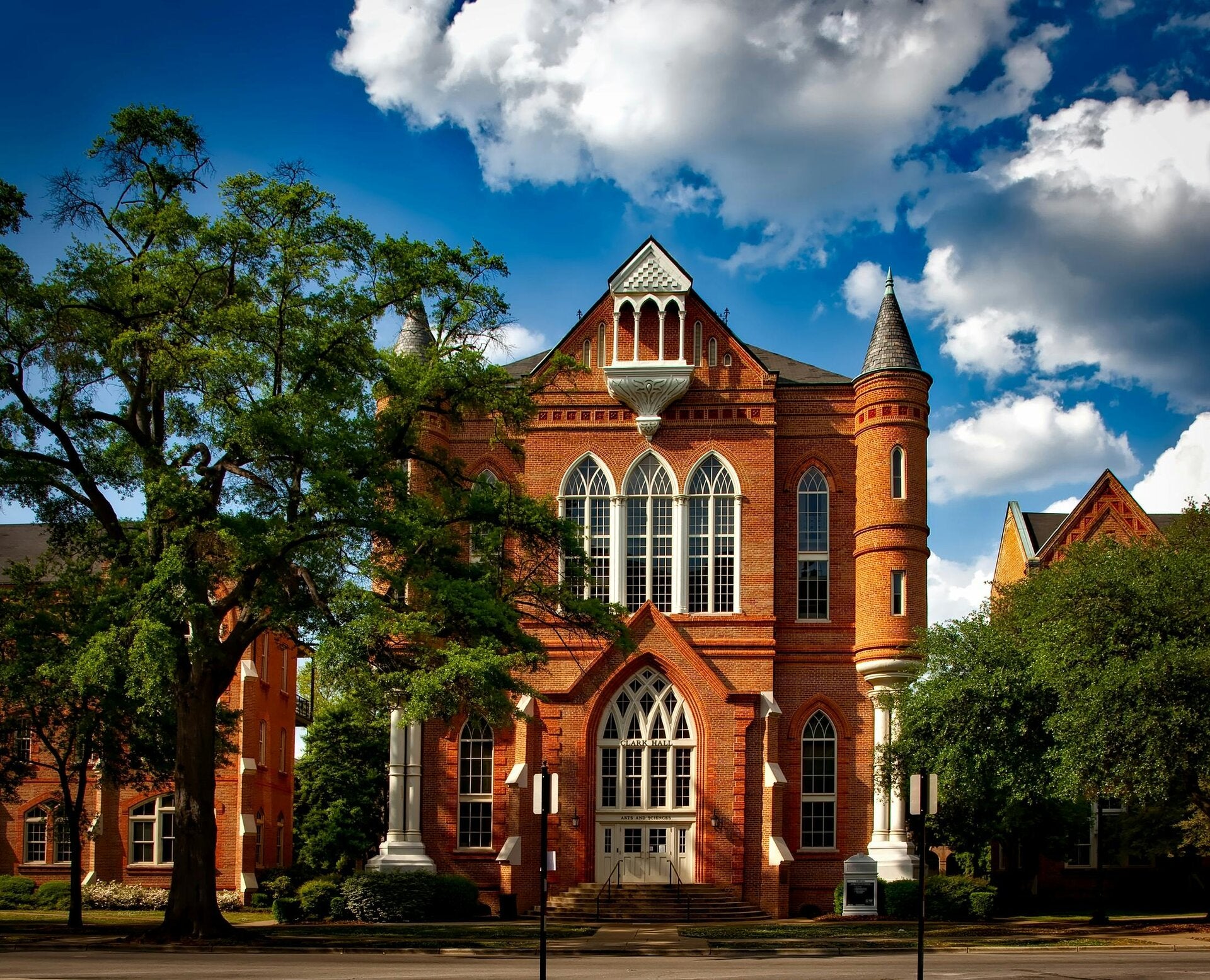
Evolution into an educational cornerstone
In 1871, the institution officially opened as LeMoyne Normal and Commercial School on Orleans Street. It was specifically designed to prepare Black students for careers, primarily in teaching, while also offering commercial and music education. By 1914, LeMoyne relocated to its current site on Walker Avenue, where Steele Hall, one of the campus's historic buildings, was constructed that same year. It transitioned into a junior college in 1924 and developed into a four-year college by 1930. In 1934, Tennessee officially chartered it as a four-year degree-granting institution. A significant milestone was reached in 1943 with the appointment of Dr. Hollis F. Price as its first Black president, whose leadership became a crucial part of the institution's history. The college merged with Owen Junior College, established in 1954 by Reverend Samuel Augustus Owen, a prominent Baptist minister and civic leader, to form Lemoyne-Owen College in 1968. Its graduates have since excelled as teachers, doctors, judges, ministers, professors, politicians, business leaders, and civil rights advocates.

Inspiring legacies and continued leadership
Among its most notable alumni are Benjamin Hooks, the influential executive director of the NAACP; W.W. Herenton, former mayor of Memphis; and C. Eric Lincoln, a significant scholar and author. Today, Lemoyne-Owen College continues to thrive on Walker Avenue in Memphis, proudly identifying itself as Memphis' sole HBCU (Historically Black College or University). It carries forward a profound legacy that originated with the education of formerly enslaved people during the Civil War, steadfastly continuing its mission of empowerment and excellence.
"Lemoyne-Owen College stands as a testament to perseverance and progress, truly embodying the spirit of education against all odds."
Ingrid, Founder of Ingrid's Corner