

Benedict College: A legacy of education and liberation
Discover the inspiring story of Benedict College, a beacon of hope and advancement for African Americans since 1870. Learn about its remarkable founding, its commitment to empowering students, and its enduring impact on civil rights and leadership in South Carolina.
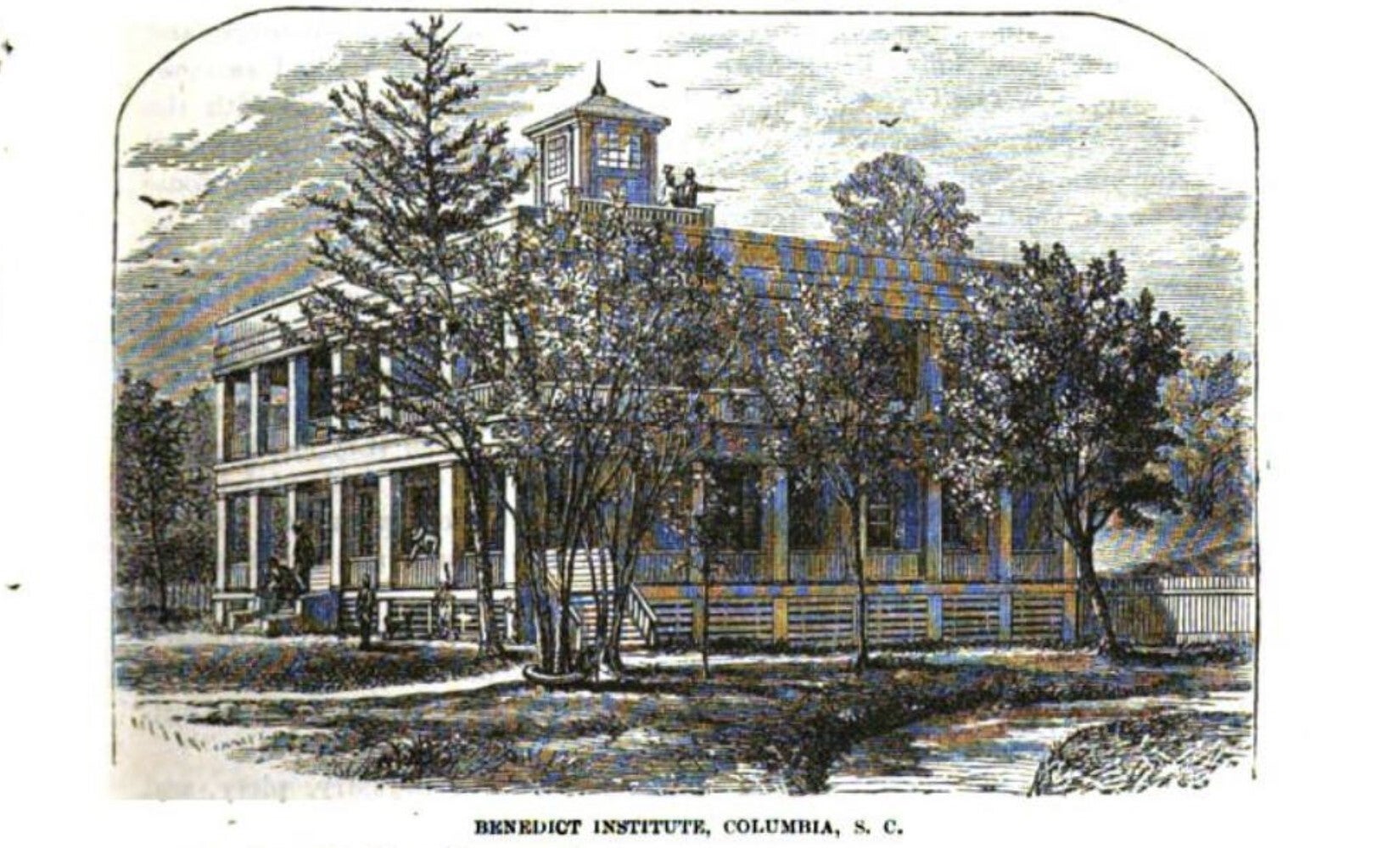
The founding of a vision
Founded in 1870 in Columbia, South Carolina, Benedict College was established to educate newly emancipated African Americans. It was a pioneering effort led by Bathsheba A. Benedict, a dedicated abolitionist from Rhode Island, with crucial support from the American Baptist Home Mission Society. She helped acquire an 80-acre former plantation, laying the groundwork for what was initially known as Benedict Institute. Starting with just 10 students, the school's primary goal was to prepare Black men and women for roles as teachers and ministers, expanding its curriculum over time to include liberal arts and vocational subjects. In 1894, it was officially chartered as a liberal arts college by the South Carolina Legislature and renamed Benedict College.

A center for civil rights and education
Benedict College quickly emerged as a vital center for Black education, leadership development, and civil rights activism within South Carolina. Its students were actively involved in early anti-lynching campaigns, demonstrating a strong commitment to justice. The establishment of an NAACP branch on campus in 1937 further solidified its role as a hub for social change and advocacy. The institution fostered a generation of leaders who contributed significantly to the advancement of African American communities and the broader civil rights movement.

An enduring legacy of hope and inspiration
More than 150 years old, Benedict College stands as a powerful testament to the unwavering determination of formerly enslaved people and their allies. It embodies the relentless pursuit of educational opportunities, the development of strong leadership, and the quest for greater freedom for African Americans in the aftermath of the Civil War. Its story fills us with hope and inspiration, reminding us that the fight for civil rights and activism continues to resonate through its vibrant history and ongoing mission. Benedict College truly represents a cornerstone in the journey towards equality and empowerment.