

The unwavering courage of William Lewis Moore
Discover the story of William Lewis Moore, a man who believed in justice for all and walked his convictions into history. His journey reminds us that the fight for equality is a shared responsibility.
A life dedicated to justice
Born on April 28, 1927, in Binghamton, New York, William Lewis Moore's life took him through Mississippi and Baltimore, Maryland. As a postal employee, he became deeply involved with the Congress of Racial Equality (CORE). A proud World War II Marine veteran, Moore held a profound belief: that every ordinary individual possessed the power to make a difference against racial injustice.
Standing against segregation
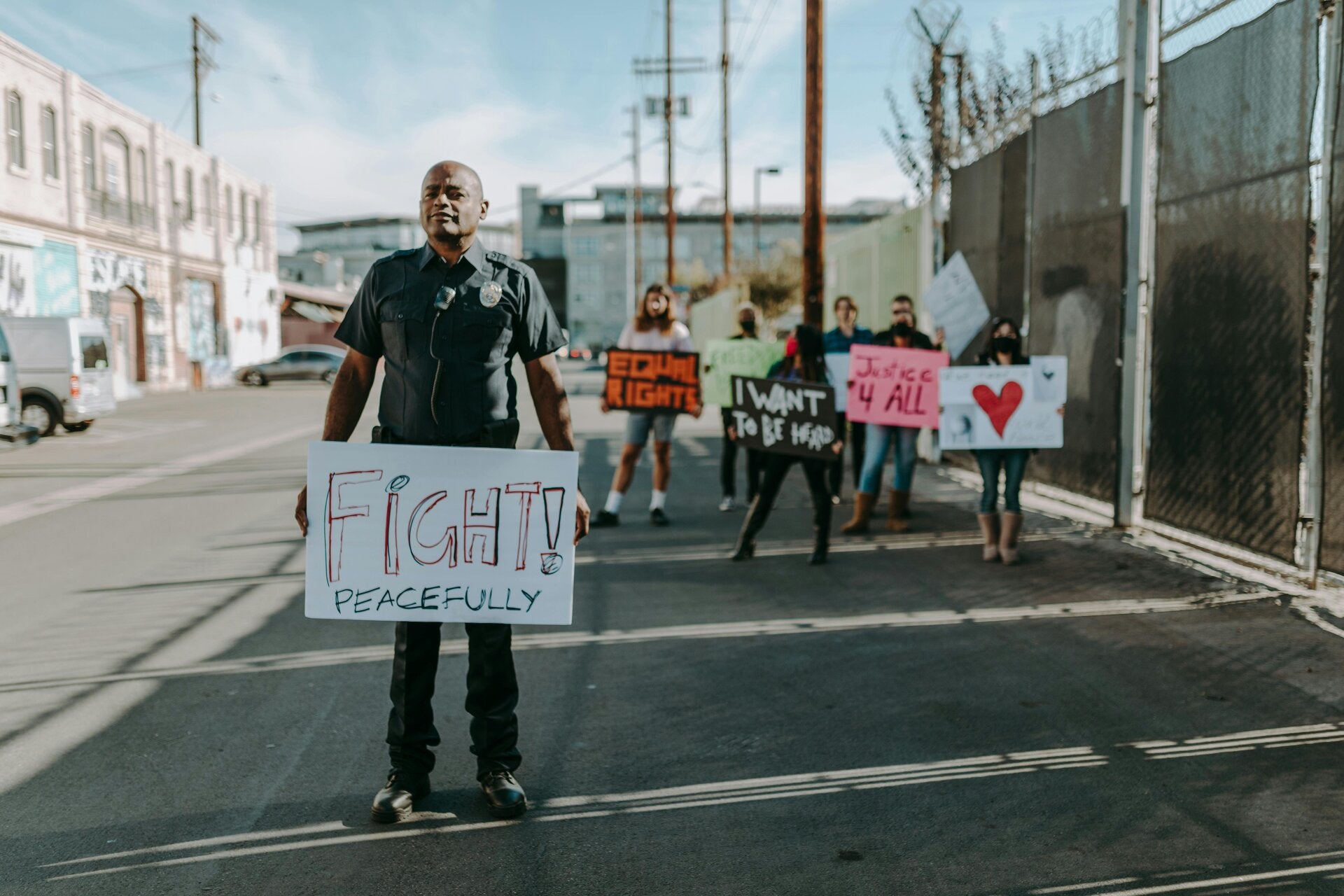
While residing in Baltimore, William Moore actively participated in demonstrations challenging segregation. In February 1963, his commitment led to his arrest during a protest at the Northwood Theatre near Morgan State University. He joined Black demonstrators in defying segregation, reportedly being the only white person arrested in that particular demonstration. This act underscored his unwavering dedication to equality.

The courageous freedom walks
Following his arrest, Moore began his solo "Freedom Walks." He walked from Baltimore to Annapolis, carrying signs that powerfully called for an end to segregation. Later, he undertook another journey from Baltimore to Washington, D.C., with the hopeful intention of delivering a personal letter to President John F. Kennedy. These walks symbolized his conviction that one person could ignite change.
His ultimate sacrifice for justice
William Moore's most courageous, and ultimately fatal, journey began in April 1963. He set out from Chattanooga, Tennessee, aiming for Jackson, Mississippi, with a plan to walk approximately 400 miles. His mission was to personally deliver a letter to Mississippi Governor Ross Barnett, urging him to support racial integration. Tragically, on April 23, 1963, about 70 miles into his journey, Moore was found deceased beside U.S. Highway 11 near Attalla, Alabama, having been shot in the head. A white Alabama man, Floyd Simpson, was arrested in connection with the killing, but he was never indicted. William Moore's story is a powerful reminder that everyone, regardless of race, can and must be involved in the fight for justice. It is not solely the burden of those who are oppressed.