

The spirit of West Ninth Street
Discover the vibrant history and enduring legacy of the West Ninth Street Community, a place where Black culture flourished and resilience was born.

A community reborn from adversity
The West Ninth Street Community in Little Rock, Arkansas, emerged during the tumultuous Civil War in 1863. It began as an area of log cabins, providing a haven for freed slaves. Initially known as West Hazel Street, it was officially renamed in 1870, marking the beginning of a vibrant and resilient community.
Little Harlem: A hub of culture and entertainment
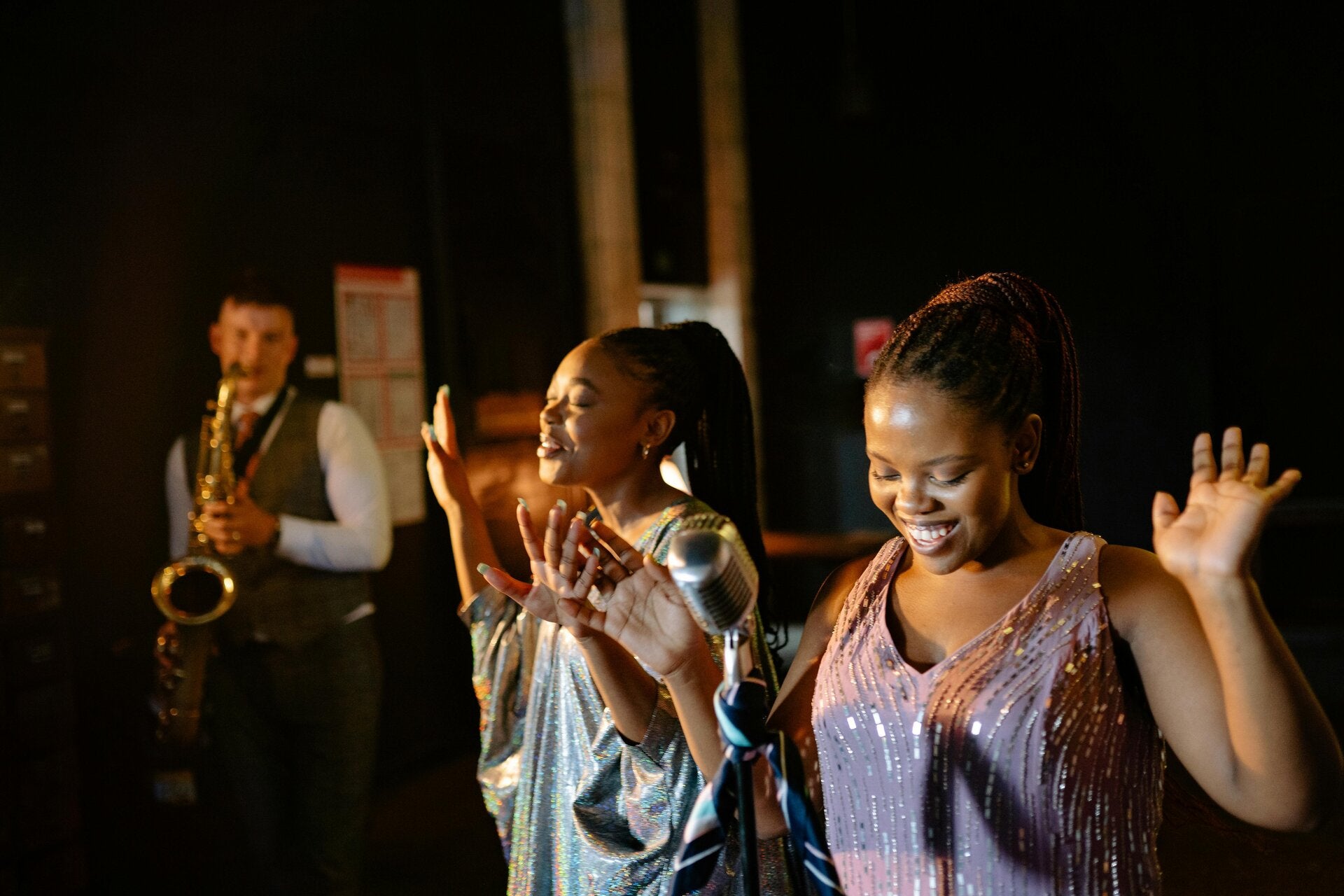
By the 1940s, West Ninth Street earned the affectionate nickname "Little Harlem." It transformed into a bustling entertainment and business district, boasting an array of clubs, theaters, and live music venues. The iconic Dreamland Ballroom, located on the third floor of Taborian Hall, hosted legendary performers such as Nat King Cole, Billie Holiday, Sarah Vaughan, and Duke Ellington, celebrating Black culture through theater, music, and live acts.

A legacy challenged and remembered
Despite its rich cultural heritage, the community faced immense challenges. Prior to the 1940s and 1950s, a tragic lynching of a young Black male citizen led to a significant exodus of residents and businesses as many joined the Great Migration North. Later, the Federal Housing Act and the construction of Interstate 630 further dismantled the community, displacing residents and creating lasting racial divisions. Today, projects like "Lost West Ninth Street" use Google Earth and old photographs to preserve the memory of what was erased, ensuring this special place is never forgotten. This history showcases that African Americans cultivated their own thriving culture and community long before the Civil Rights Movement and the call for integration.