

The powerful story behind "Strange Fruit"
Discover the deep and poignant history that gave birth to Billie Holiday's iconic protest song. This narrative explores the tragic events that inspired "Strange Fruit" and its enduring message for today.
The tragic beginning
The inspiration for "Strange Fruit," famously recorded by Billie Holiday in 1939, stems from a harrowing incident involving three young Black men in Marion, Indiana. On August 7, 1930, Thomas Shipp (19), Abram Smith (18), and James Cameron (16) were accused of a crime. That evening, a white mob, estimated in the thousands, stormed the local jail. Thomas Shipp and Abram Smith were brutally beaten and hanged from a tree in the courthouse square. James Cameron narrowly escaped the same fate, freed when a woman in the crowd declared his innocence. He later became a prominent civil rights activist and founded America's Black Holocaust Museum in Milwaukee, dedicating his life to remembering such atrocities.

A haunting image and a powerful poem
A local studio photographer, Lawrence Beitler, captured a horrific picture of the scene. It depicted the bodies of Shipp and Smith hanging from the tree, while a cheerful, smiling crowd of white men, women, and children posed underneath, pointing at the bodies. Beitler printed and sold thousands of copies as souvenirs and postcards. Around 1936 or 1937, Abel Meeropol, a Jewish high school English teacher and activist from the Bronx, was profoundly moved by Beitler's photograph. Haunted by the graphic image, he wrote a poem titled "Bitter Fruit," published in the New York Teacher magazine in 1937 under the pseudonym Lewis Allen. He later set the poem to music himself and retitled it "Strange Fruit." The song began circulating in New York leftist political circles before being introduced to Billie Holiday at the integrated Greenwich Village nightclub Cafe Society in early 1939.
Billie Holiday's indelible performance
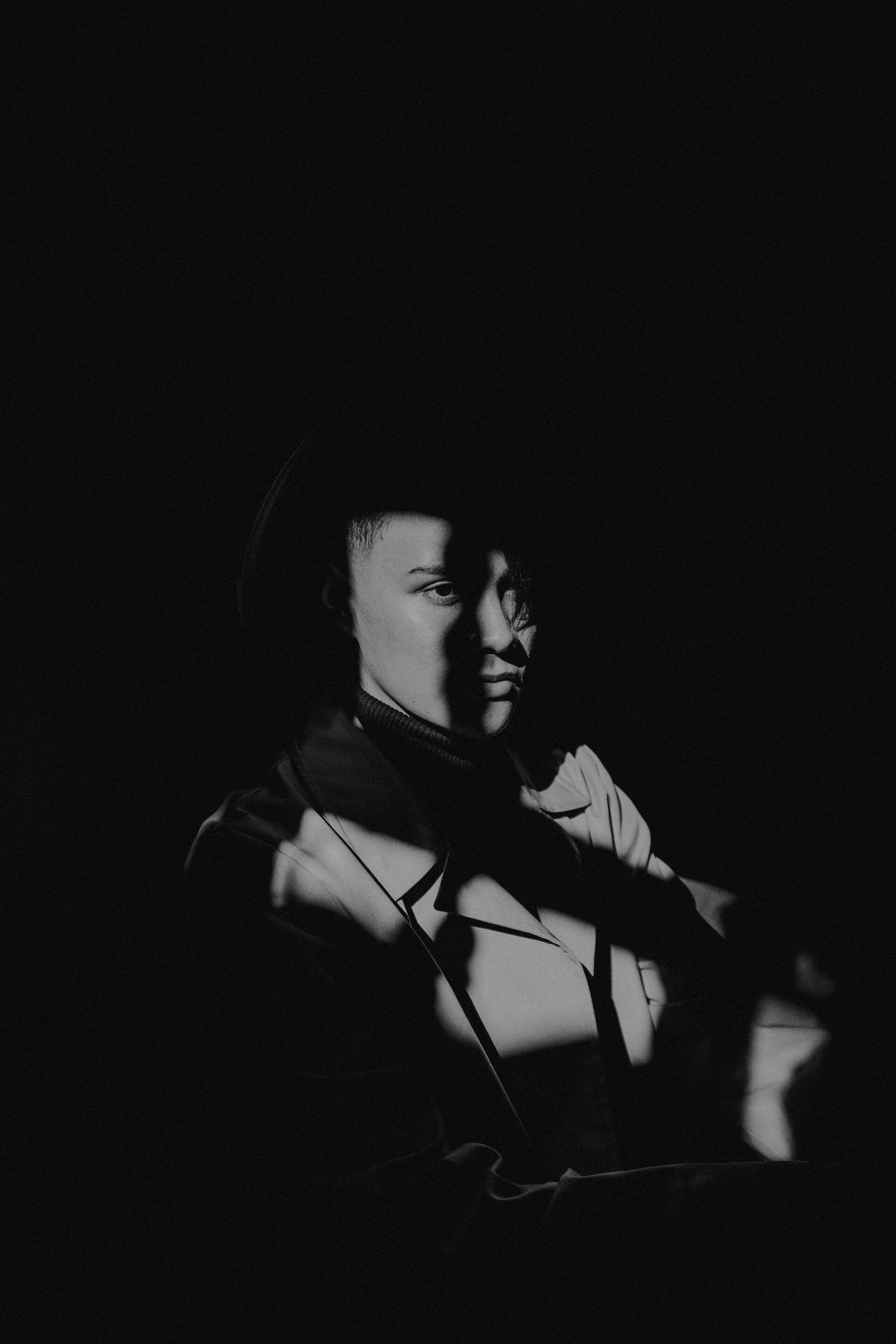
Billie Holiday's rendition of "Strange Fruit" was more than just a song; it was a deeply moving protest. She maintained a strict performance protocol: it was always the final song of her set, performed in total silence with all bar service stopped. Every light in the club was turned off except for a single spotlight on her. At the end of the song, as the final piano note faded, the spotlight would go completely dark, and she would walk off stage in silence, without her customary bow or smile, leaving her audience to ponder the profound message.
"This song is a testament to the enduring fight for justice and the power of art to provoke thought and inspire change."
Ingrid's Corner