

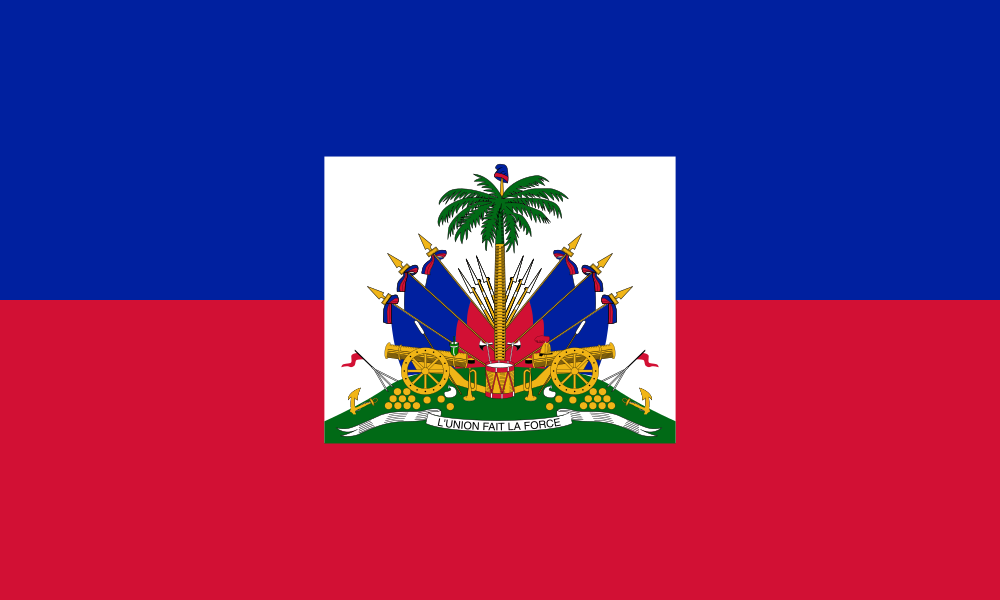
The powerful story behind the Haitian Flag
Discover the inspiring origins of Haiti's national emblem, a symbol born from revolution and a testament to the enduring spirit of freedom.
From colony to revolution
In the late 1700s and early 1800s, Haiti, then known as Saint Domingue, was a prosperous French colony built on the labor of enslaved Africans. The vast numerical superiority of the enslaved population ultimately fueled a powerful desire for liberation. In 1791, this yearning ignited into a full-scale revolution against slavery, which soon transformed into a relentless fight for independence from France.
A symbol of unity forged in battle
By 1803, the revolutionary armies faced the formidable forces of Napoleon Bonaparte. Recognizing the critical need for a united front, revolutionary leaders, including Jean-Jacques Dessalines and Alexandre Pétion, rallied their troops. On May 18, 1803, at the historic Congress of Arcahaie, Haitian tradition recounts that Dessalines boldly took the French tricolor flag—blue, white, and red—and removed the white section. The remaining blue and red pieces were then powerfully joined together, symbolizing the union of all Haitians against oppression.
Catherine Flon and Haitian Flag Day
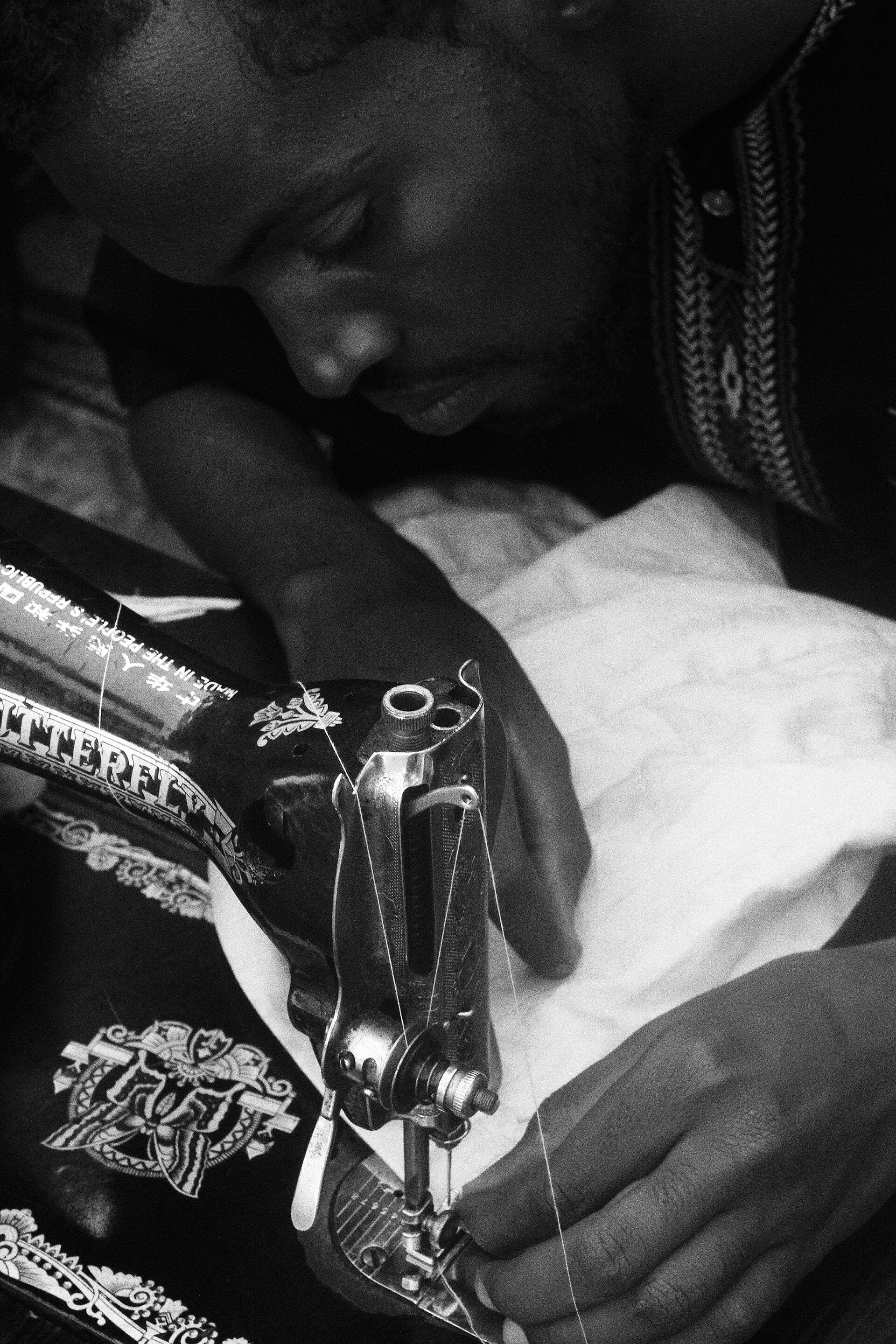
A seamstress named Catherine Flon, who was Dessalines’ goddaughter, is traditionally credited with sewing the two pieces of the flag together. This resulting blue-and-red flag became a powerful emblem of the revolution and the unbreakable unity of people fighting for freedom. To honor this pivotal moment, May 18 is now proudly celebrated as Haitian Flag Day, a national holiday commemorating the birth of their nation's powerful symbol.
"L'Union Fait la Force: Strength in Unity, then and now."
The motto of Haiti