

The Colfax Massacre: a struggle for justice
Delve into one of the darkest chapters of American history, understanding the profound sacrifices made for fundamental rights. Learn about the Colfax Massacre and its enduring legacy on civil liberties and the right to vote.
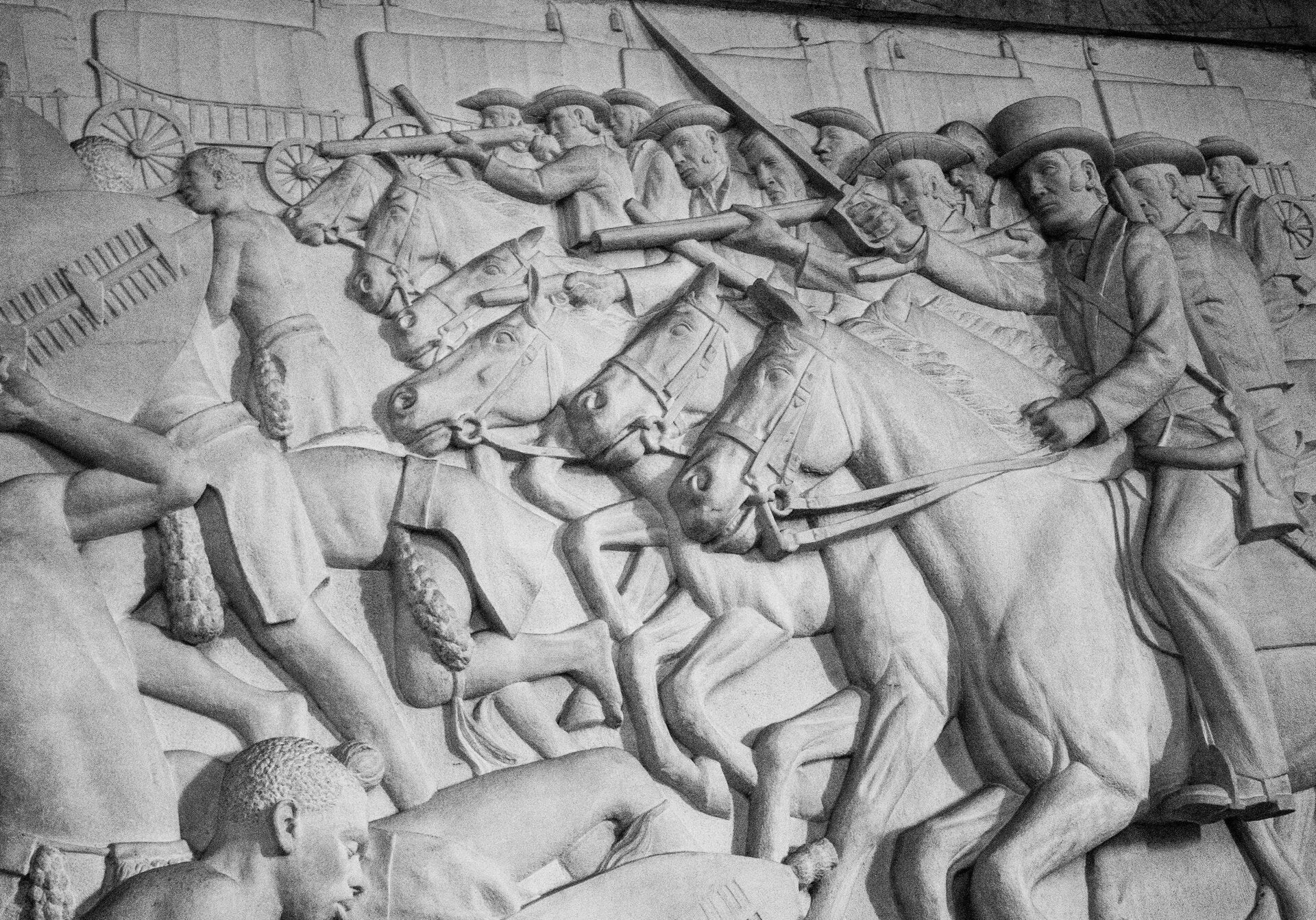
A tragic day in Colfax
The Colfax Massacre stands as one of the deadliest acts of racial violence during the Reconstruction Era in the United States. This horrific event unfolded on April 13, 1873, Easter Sunday, in Colfax, Louisiana. Following the Civil War, formerly enslaved Black Americans in Louisiana gained new political rights, including the crucial right to vote and hold public office. The 1872 Louisiana gubernatorial election was fiercely disputed, with both Republicans and Democrats claiming victory. Political tensions escalated, becoming particularly intense in Grant Parish, where Colfax served as the parish seat.

The fight for Black political power
A group of armed white men, comprising former Confederate soldiers and individuals associated with the Ku Klux Klan, launched an attack on Black men who were defending the courthouse and supporting the Republican government. The attackers eventually seized control of the courthouse. Tragically, many of the Black defenders were killed even after they had surrendered. According to the National Park Service, 80 to 150 African Americans lost their lives, while three white attackers were killed. This massacre was inextricably linked to the struggle over Black political power in Louisiana, highlighting the violent resistance to civil rights advancements.

A legacy of legal struggle
Federal authorities prosecuted some of the attackers under the Enforcement Acts, which were enacted to protect the voting and civil rights of Black Americans. However, these prosecutions ultimately failed following the U.S. Supreme Court decision in United States v. Cruikshank (1876). This landmark ruling severely curtailed the federal government's ability to prosecute individuals for civil rights violations when those violations were committed by private citizens rather than state actors. When you read this page, it is hoped that you will understand the profound importance of voting, recognizing that so many of our African American ancestors gave their lives for this fundamental right.