

Paul Revere Williams: An architectural pioneer
Explore the extraordinary legacy of Paul Revere Williams, the groundbreaking African American architect who redefined cityscapes and shattered barriers with his visionary designs.
From humble beginnings to architectural marvels
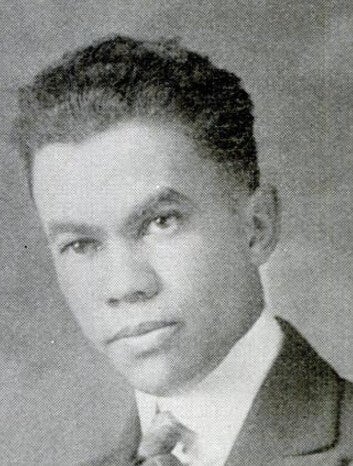
Born in Los Angeles, California on February 18, 1894, Paul Revere Williams faced early adversity, orphaned by age four due to tuberculosis. Raised by a foster family that nurtured his artistic and academic talents, he pursued his passion for architecture despite discouragement due to his race. His resilience led him to study architectural engineering at the University of Southern California (USC), and he became a licensed architect in California in 1921. In 1923, he broke new ground as the first African American member of the American Institute of Architects (AIA), later becoming its first Black Fellow in 1957.

Iconic designs and lasting impact
Throughout his nearly 60-year career, Paul Revere Williams designed over 3,000 buildings, leaving an indelible mark on American architecture. His impressive portfolio includes homes for Hollywood stars, the iconic Beverly Hills Hotel, and the distinctive Theme Building at Los Angeles International Airport (LAX). Beyond California, his genius extended to projects like St. Jude Children's Research Hospital in Memphis, showcasing his versatility and dedication to creating impactful structures across various sectors.
A legacy of inspiration and recognition
Paul Revere Williams retired in 1973 and passed away in Los Angeles on January 23, 1980, at the age of 85. His monumental contributions were posthumously recognized in 2017 when he was awarded the AIA Gold Medal, becoming the first Black architect to receive this prestigious honor. His life and work stand as a testament to perseverance, artistic vision, and breaking racial barriers, inspiring countless individuals to pursue their dreams despite obstacles.