

The forgotten pioneer: Onesimus and the dawn of inoculation
Step into a pivotal moment in history, where a forgotten voice reshaped the future of medicine. Discover the incredible story of Onesimus, whose wisdom from West Africa brought salvation to colonial America, challenging what we thought we knew about the origins of immunization.
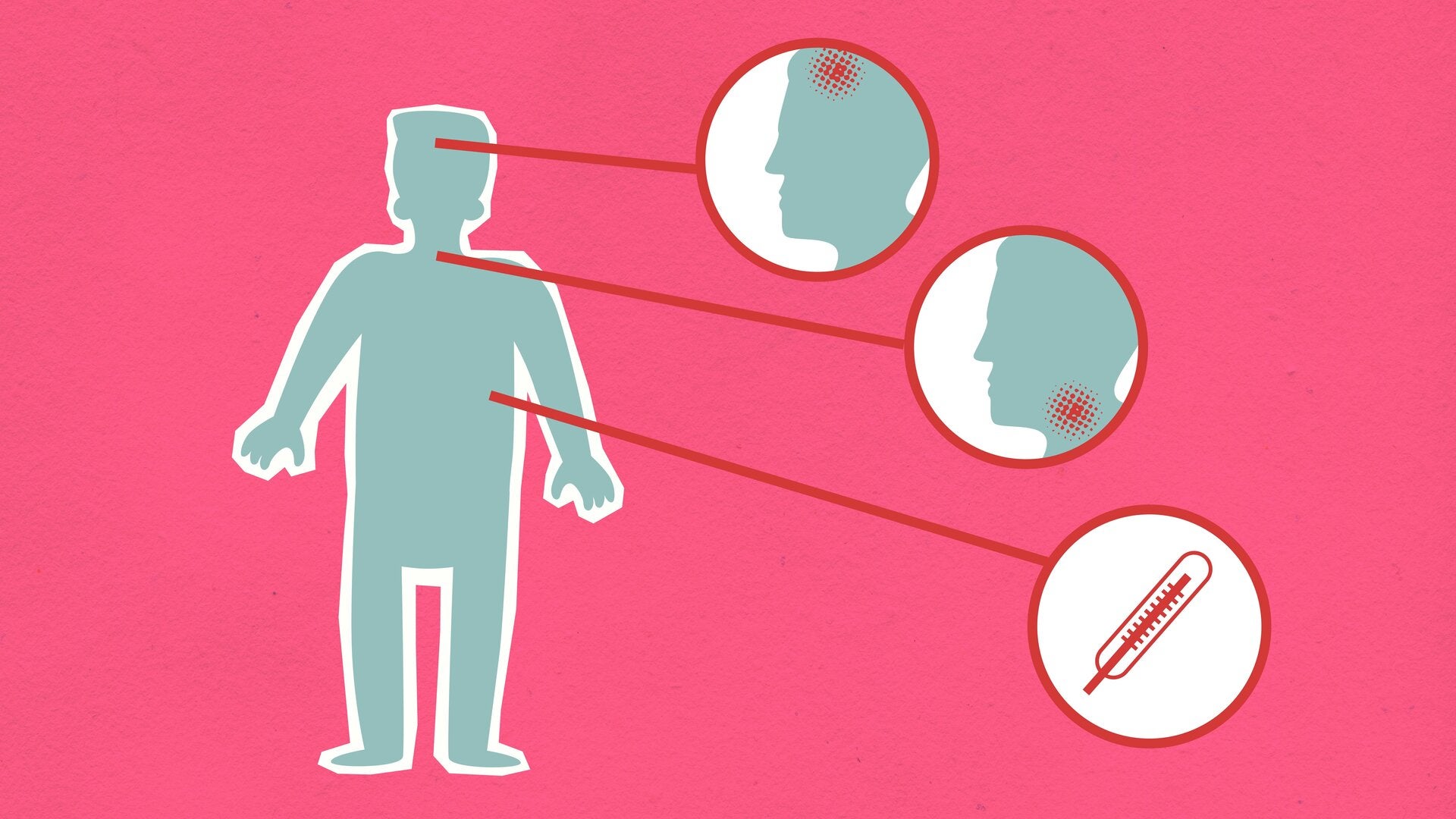
Before immunization: A historical enigma
The terms "inoculation" and "immunization" feel inherent to our modern understanding of health, yet their origins are often shrouded in mystery. Most recognize the importance of disease protection, but few can pinpoint how this crucial practice truly began. Prepare for an eye-opening revelation that traces these life-saving concepts back further than you might imagine.
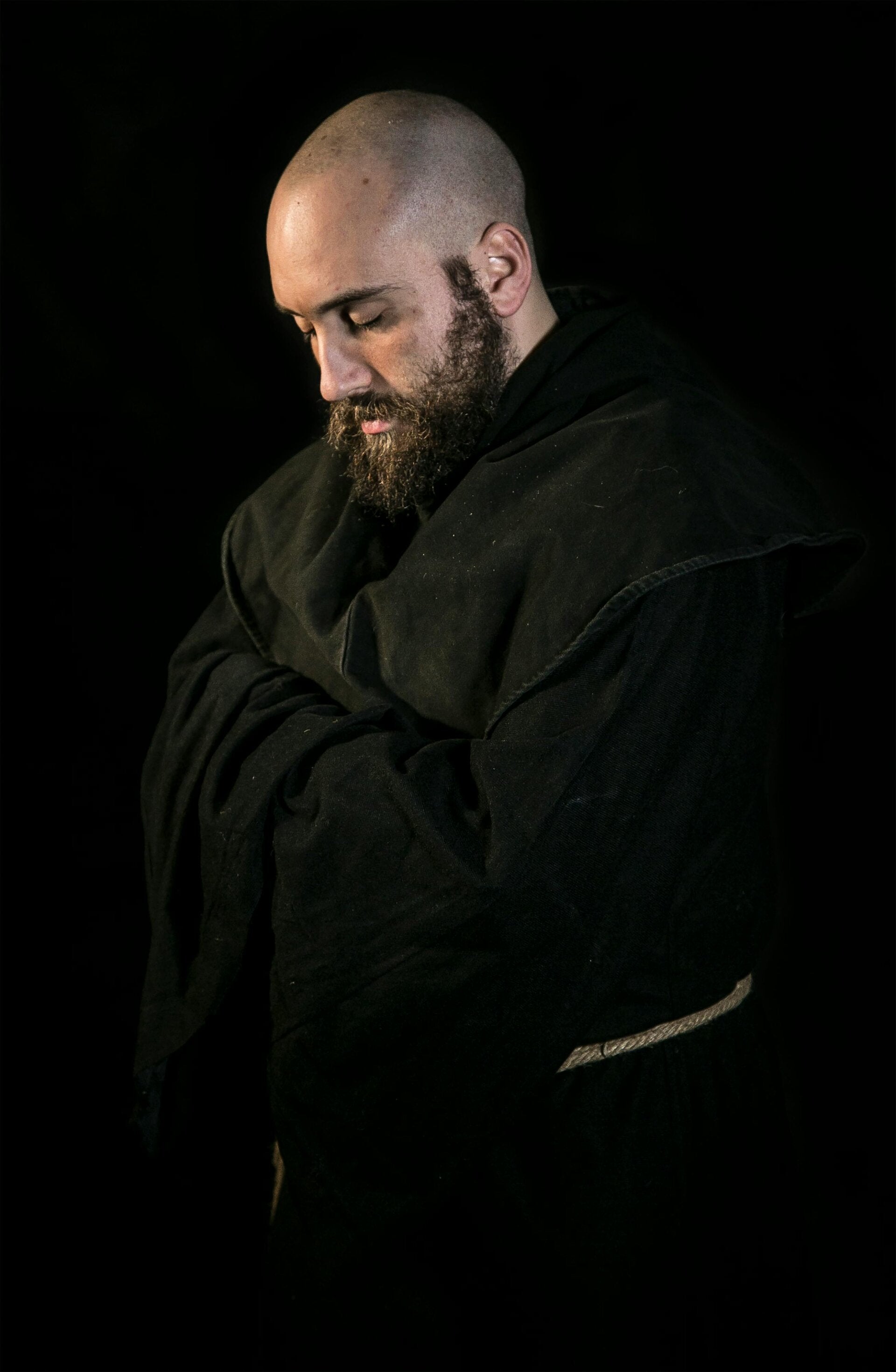
The 1721 smallpox epidemic and a slave's wisdom
In 1721, Boston, Massachusetts, faced a devastating smallpox epidemic, afflicting countless individuals with dire consequences. However, years earlier, in 1716, before the disease spiraled out of control, an enslaved man named Onesimus shared a profound insight with his master, Cotton Mather. This was not just any Cotton Mather, but the renowned Puritan author and theologian of colonial New England.

Onesimus: From Akan tribe to medical pioneer
Onesimus, purchased by Mather in 1706, hailed from the Akan tribe in Ghana, West Africa. He revealed to Mather that he had contracted smallpox previously and had been cured through a procedure we now recognize as inoculation. This involves injecting the 'pus' from a smallpox lesion into an open wound on the arm. Through this process, Onesimus's body developed immunity, protecting him from future outbreaks.
His legacy: A powerful truth revealed
It was an enslaved man, Onesimus, who simply told his enslaver, Cotton Mather, to try this method to cure the colonists who were dying from the epidemic. Mather himself had given him the name Onesimus, referencing the biblical figure who meant "useful," a name that, in retrospect, takes on a profoundly meaningful significance given his invaluable contribution to public health. His story reveals that the first person to bring what we now call modern-day inoculation to early New England colonists was an African man, forever changing the course of medical history.