

Mary Seacole: a trailblazing healer
Discover the extraordinary life of Mary Seacole, a Jamaican doctress and nurse who defied odds to care for soldiers during the Crimean War. Her story of resilience, compassion, and entrepreneurial spirit continues to inspire.
A life of healing and dedication
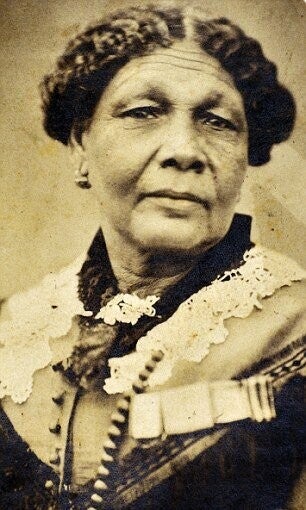
Mary Seacole (1805-1881) was a trailblazing Jamaican doctress, nurse, and entrepreneur best known for independently establishing medical and shelter for British soldiers on the frontlines of the Crimean War. She was born in Kingston, Jamaica, a daughter of a Scottish army officer and a Jamaican "doctress" who ran a boarding house for invalid soldiers. She learned traditional Caribbean medicine and herbal remedies from her mother, gaining extensive "hands-on experience" treating infectious diseases like yellow fever and cholera in Jamaica and Panama.

Defying discrimination: the Crimean War
When the Crimean War broke out in 1853, Seacole traveled to London to volunteer as an army nurse. Despite her qualifications, her offers were repeatedly rejected by the British War Office and Florence Nightingale's nursing team—refusals attributed to racial discrimination. Undeterred, Seacole funded her own travel to Crimea in 1855. Near Balaclava, she opened the British Hotel, a mess hall and convalescent facility that provided hot meals, medical supplies, and nursing care to sick and injured soldiers. Known affectionately by troops as "Mother Seacole," she frequently ventured onto the battlefield under fire to treat wounded combatants.
A lasting legacy of inspiration
After the war ended in 1856, Seacole returned to England in poor health and financial ruin. Military officers organized public benefits and galas to support her financially. In 1857, she published her autobiography, "Wonderful Adventures of Mrs. Seacole in Many Lands." It became a bestseller. Today, she is widely celebrated as a hero of modern nursing and a vital figure in British and Caribbean history. Young black women who are pursuing degrees in nursing and fields of social work should be very inspired by Mrs. Seacole's story.