

The Knoxville riot of 1919
Explore the profound impact of the Knoxville riot of 1919, a pivotal event during the Red Summer, and understand its lasting implications on society and justice. Learn how historical events continue to echo in contemporary challenges.
The Red Summer and its spark
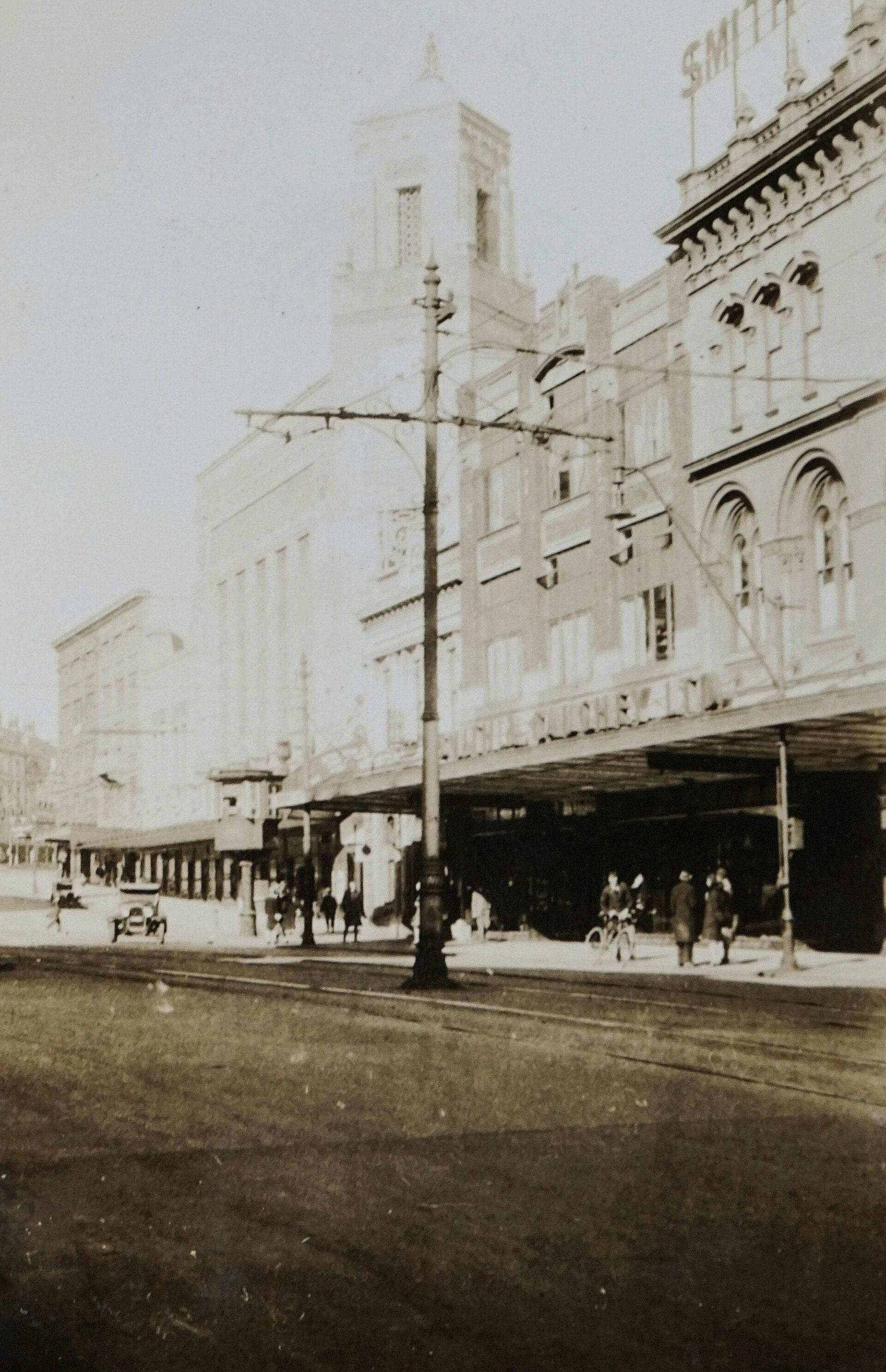
The Knoxville Race Riot of 1919 took place in Knoxville, Tennessee, on August 30-31, 1919. This event occurred during the period historians call the Red Summer, a time when racial violence erupted in numerous American cities after World War I. The riot was sparked by the immediate arrest of Maurice Mays, a Black Knoxville resident who sometimes worked as a deputy sheriff and was a well-known political figure. Mays was accused of attacking and murdering Bertie Lindsay, a white woman, in the early morning hours of August 30. He was identified by Lindsay's cousin, Ora Smith, who was present during the assault. Mays consistently maintained his innocence.

Escalation and response
Fearing that a mob would attack Mays, Sheriff W.T. Cate secretly moved him from Knoxville to Chattanooga for protection. However, a large crowd gathered at the Knox County Jail, searching for Mays. Upon discovering he was not there, the mob destroyed parts of the jail and subsequently moved through downtown Knoxville and the city's predominantly Black neighborhood. The situation escalated into a racial confrontation, with Black residents organizing to defend their homes and businesses as white rioters entered their section of the city. National Guard troops were called in, but their response was badly organized, and some troops became involved in the violence rather than restoring order. The fighting continued through the night of August 30. By Sunday morning, August 31, several hundred additional National Guard troops arrived, and order was finally restored.
Justice and its enduring lessons
Mays was subsequently tried for Lindsay's murder, convicted, and sentenced to death. The Tennessee Supreme Court ordered a new trial in 1920, but Mays was convicted again. He was eventually executed in the electric chair, despite growing doubts about his actual guilt. The Knoxville Riot of 1919 is important because it reveals that prevailing societal cultures sometimes handle problems with methods reminiscent of the past, marked by unfair trials and the threat or use of violence. Knoxville at the time was a peaceful place with a well-established Black community and an Historically Black University and College, Knoxville College. This prompts the question: was the problem Bertie Lindsay, or was it a quiet, peaceful town where Black success and education were flourishing?