

Jane Cooke Wright: A pioneer in cancer treatment
Discover the extraordinary legacy of Dr. Jane Cooke Wright, a trailblazing oncologist whose innovative work revolutionized cancer therapy. Her dedication and scientific breakthroughs continue to inspire, especially for those considering a future in medicine.
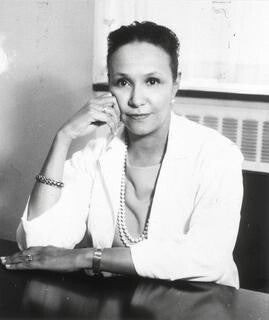
The early life of a visionary
Born in New York City in 1919, Jane Cooke Wright emerged from a family deeply rooted in medicine. Her father, Louis Tompkins Wright, was not only one of the first Black graduates of Harvard Medical School but also a distinguished surgeon. Following in his footsteps, Jane earned her medical degree from New York Medical College in 1945. This strong foundation set the stage for her remarkable career, where she would challenge conventional medical practices and pioneer new treatments in oncology.

Revolutionizing chemotherapy
Jane joined her father at the Cancer Research Foundation at Harlem Hospital, embarking on groundbreaking investigations into chemotherapy. At a time when chemotherapy was considered experimental and often met with skepticism, their work laid the groundwork for its acceptance. After her father’s passing in 1952, she bravely took the helm as director of the foundation at just 33 years old, continuing their vital research. Her leadership propelled the field forward, transforming how cancer was understood and treated.

Innovations and lasting impact
Dr. Wright pioneered techniques for testing chemotherapy drugs on human tumor tissue cultures, enabling more precise and individualized treatment approaches—a precursor to modern personalized medicine. She also developed innovative methods for delivering chemotherapy drugs via catheter to treat hard-to-reach tumors in organs like the kidneys and spleen. Her contributions extended beyond the lab; in 1964, she was appointed to President Johnson's Commission on Heart Disease, Cancer, and Stroke, and was a founding member of the American Society of Clinical Oncology (ASCO), making her one of the few women among its founders. Dr. Wright passed away in 2013, leaving an indelible mark as a significant—yet often unrecognized—figure in the evolution of modern chemotherapy. Her legacy should inspire young African American men and women to pursue careers in the vital field of oncology.