

Herbal fertility control among enslaved women
Following the 1807 Act Prohibiting the Importation of Slaves, signed by President Thomas Jefferson and enacted on January 1, 1808, the transatlantic trade ended, prompting plantation owners to establish brutal forced-breeding practices. Stripped of legal bodily autonomy and subjected to involuntary unions and exploitation, enslaved women drew upon botanical wisdom as an act of resistance, self-determination, and survival to govern their own reproduction.
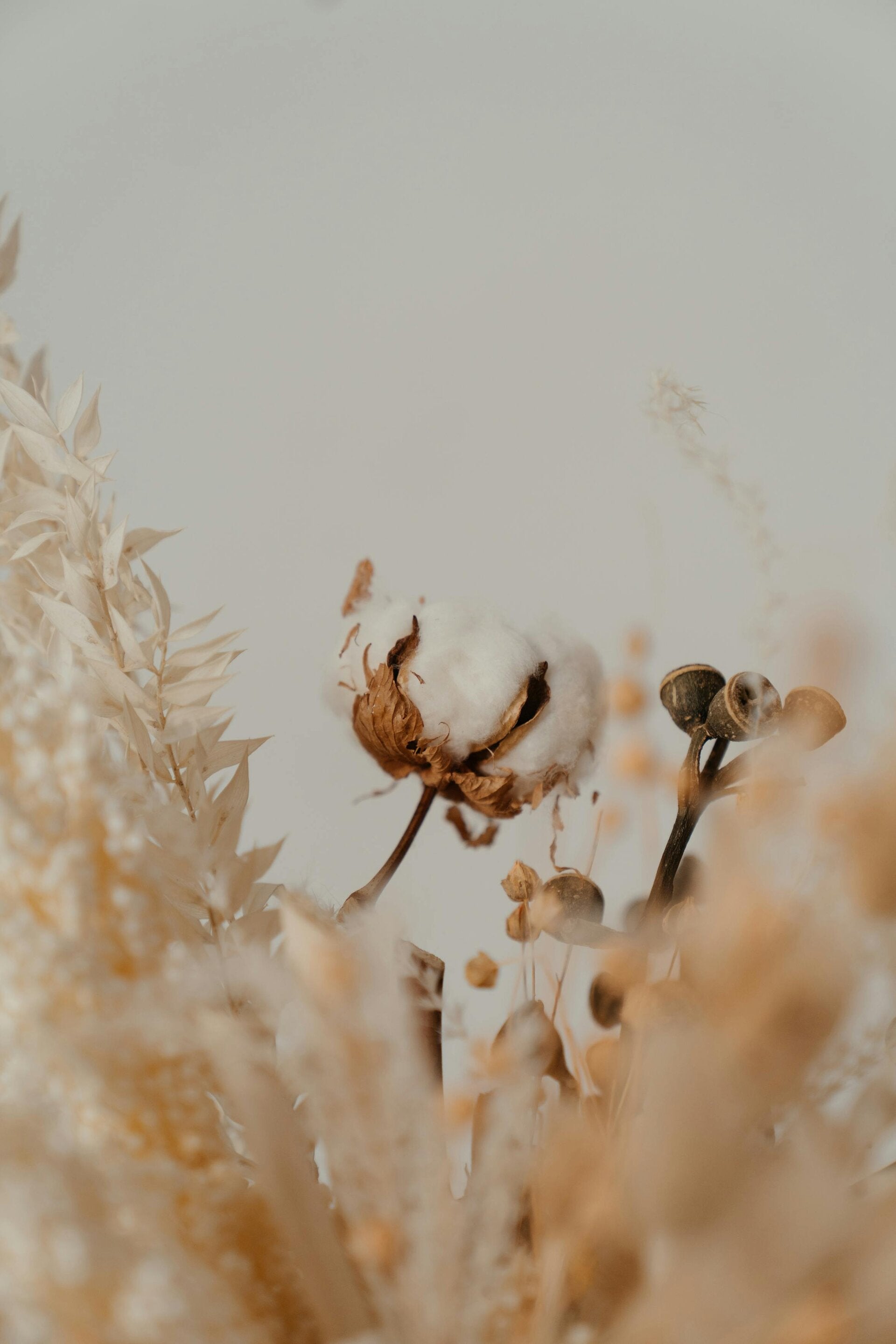
Cotton root and bark remedies
Cotton root and bark carry the strongest historical documentation of reproductive control among enslaved women. As documented by historical researchers and the National Park Service, decoctions made from the bark of the cotton root plant were widely used as an abortifacient, especially throughout the Lowcountry and Gullah regions, serving as a desperate measure to prevent children from being born into chattel bondage.
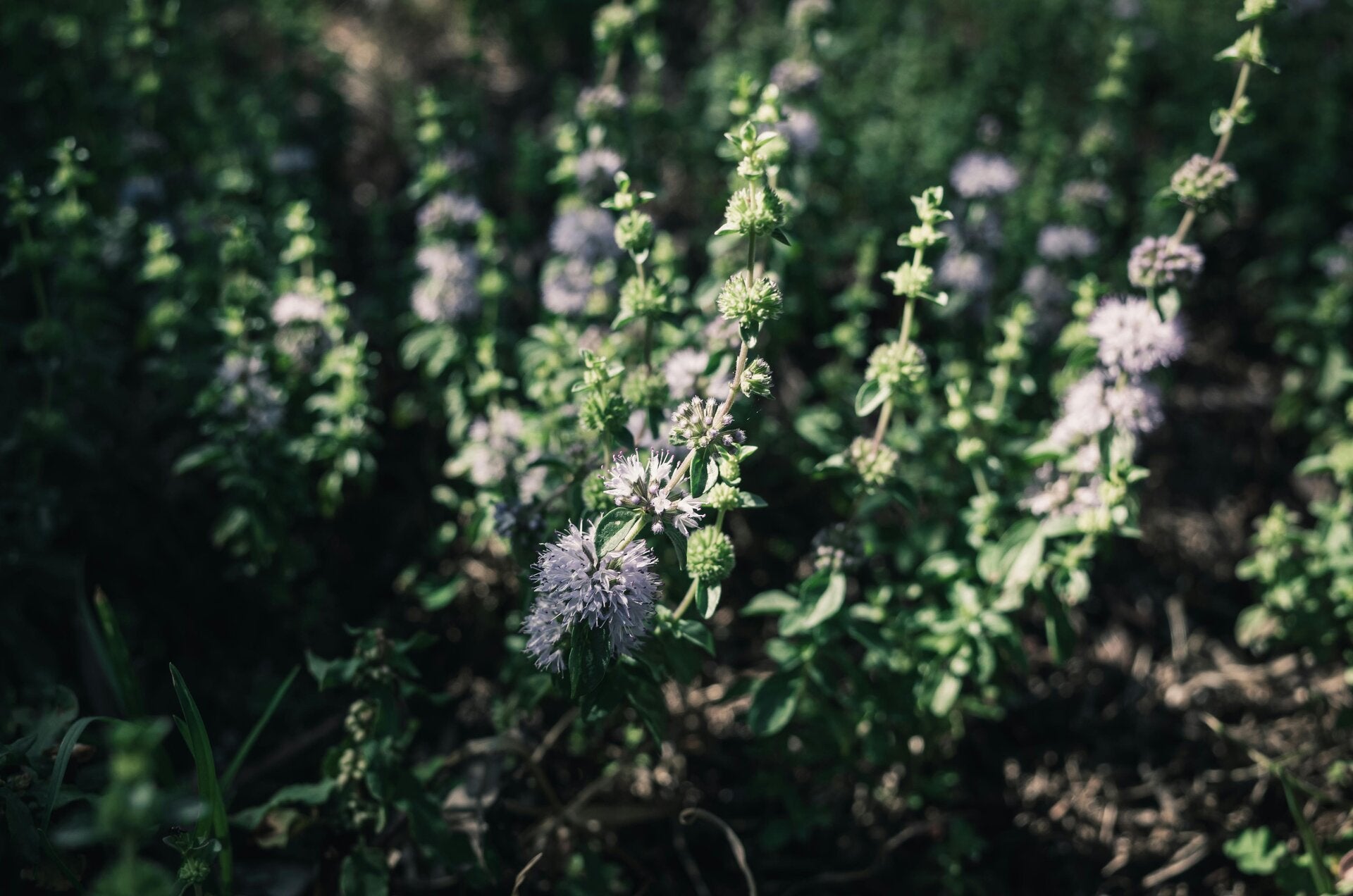
The use of pennyroyal
Pennyroyal held an extensive history in folk medicine as a potent herb known to stimulate menstruation and induce abortion. While enslaved women relied on this botanical knowledge when denied control over their own bodies, modern medical analysis confirms pennyroyal carries severe toxicity, underscoring the extraordinary risks women endured in their fight for reproductive autonomy.
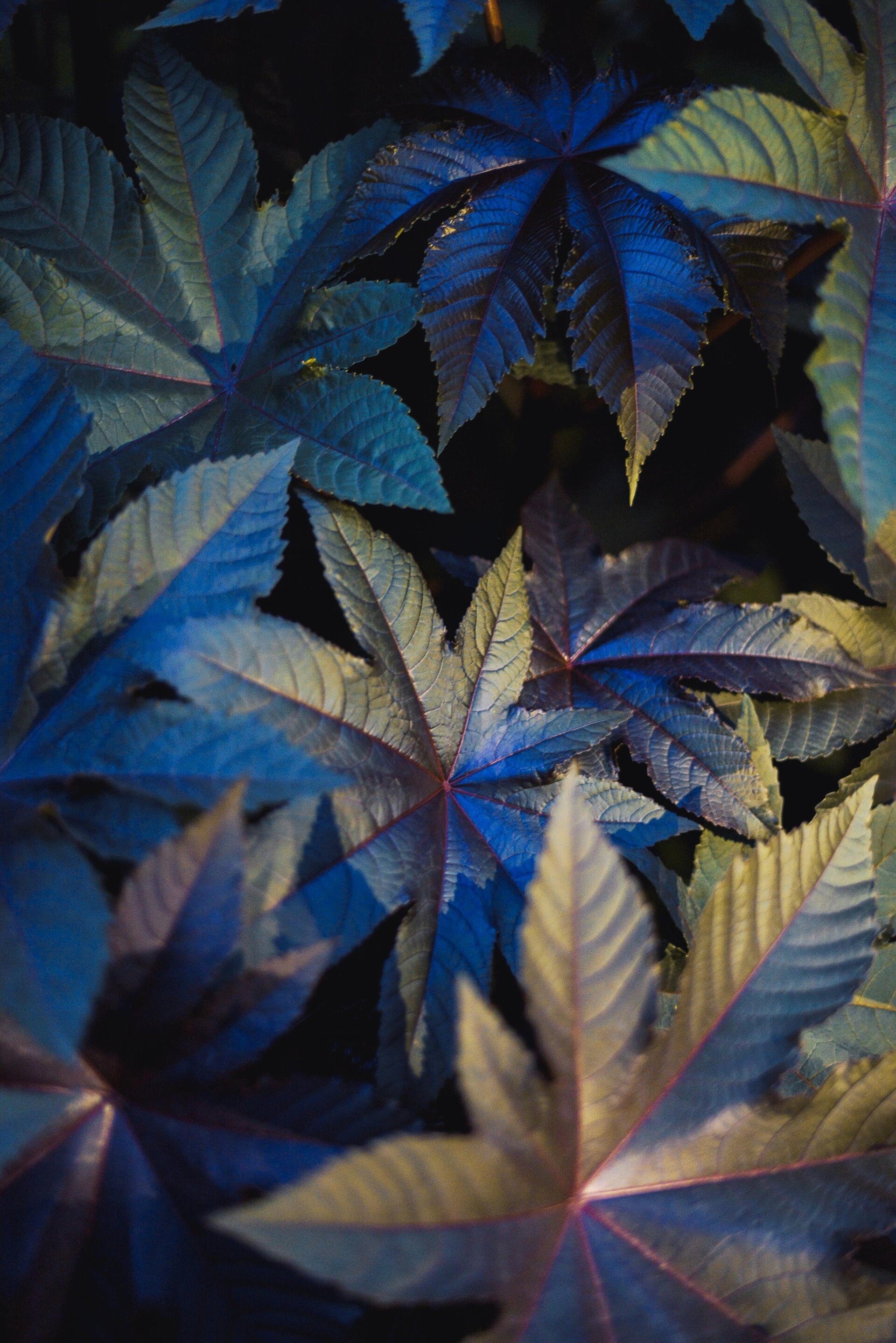
Blue cohosh and bodily resistance
Enslaved women also navigated complicated botanical remedies such as blue cohosh, a plant historically employed to trigger uterine contractions or manage childbirth. Though perilous and unpredictable by modern medical understanding, these clandestine herbal practices reveal deep ancestral resilience against forced reproduction. Explore more historical insights across Ingrid's Corner to learn about these enduring stories of strength and defiance.