

Dr. George Carruthers: visionary astrophysicist
Discover the pioneering journey of Dr. George Carruthers (1939–2020), an African American physicist, astronomer, engineer, and inventor whose groundbreaking optical instruments transformed our understanding of outer space and placed the first telescope on the Moon.
From childhood curiosity to space scientist
Born in Cincinnati, Ohio, in 1939, George Carruthers demonstrated a brilliant scientific curiosity early in life. At only 10 years old, he built his own functioning telescope from cardboard and discarded lenses. He pursued his passion through higher education, earning his Ph.D. in aeronautical and astronautical engineering from the University of Illinois in 1964 before joining the Naval Research Laboratory. In 1970, Carruthers achieved the first-ever detection of molecular hydrogen in interstellar space, solving a fundamental mystery regarding star formation and cosmic chemistry.

Reaching the Moon: the Apollo 16 spectrograph
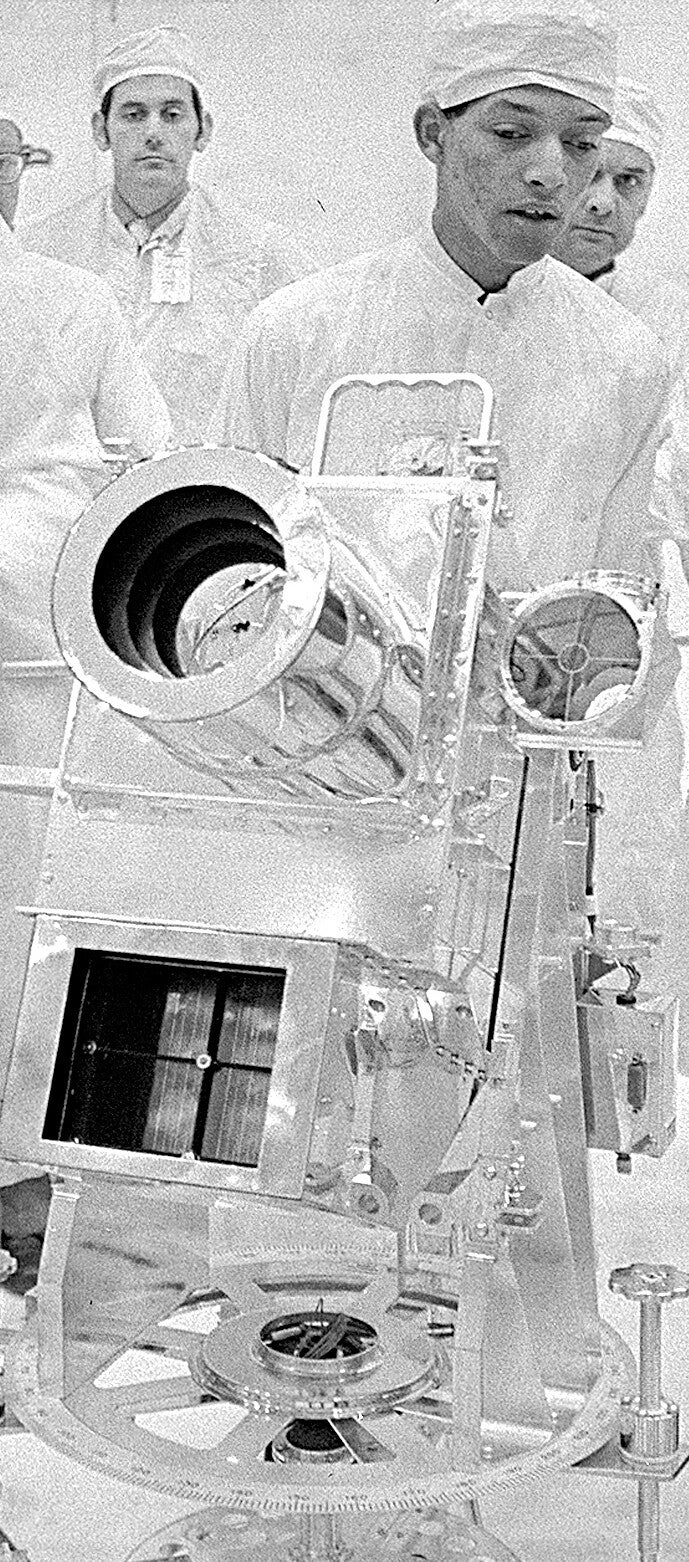
Carruthers' most celebrated breakthrough came with his invention of the Far Ultraviolet Camera/Spectrograph. In 1972, astronauts deployed his device during the Apollo 16 mission, making it the very first telescope operated from another celestial body. Facing back toward our home world, the camera captured the earliest ultraviolet images of Earth's outer atmosphere, revealing the geocorona, alongside luminous vistas of distant stars, nebulae, and interstellar phenomena never seen before in visible light.

An enduring legacy among the stars
Throughout his remarkable career, Dr. Carruthers dedicated himself to mentoring young minds and inspiring future generations of students to enter STEM fields. In 2013, President Barack Obama awarded him the prestigious National Medal of Technology and Innovation. Following his passing on December 26, 2020, at age 81, NASA honored his legacy with the Carruthers Geocorona Observatory. Explore more inspiring Black history and educational features across Ingrid's Corner to keep learning.