

The tradition of black-eyed peas on New Year's Day
Discover the rich history and deep-rooted traditions behind this beloved New Year's custom, connecting centuries of culture and resilience.
A historical journey of good fortune
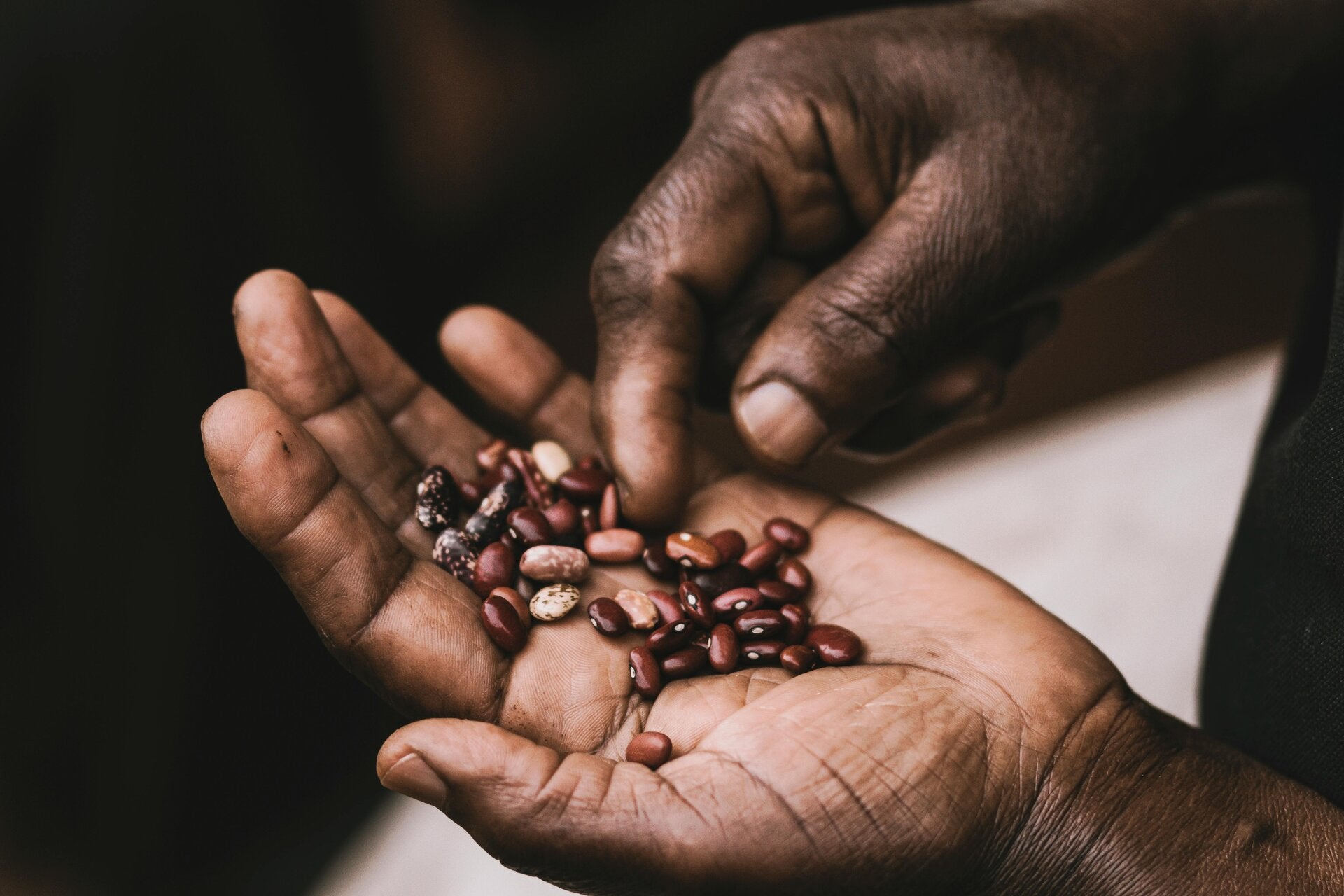
The tradition of eating black-eyed peas on New Year's Day for good luck has a profound history rooted in Southern culture and African American heritage. These resilient legumes, originally from Africa, made their way to the Americas during the transatlantic slave trade. Enslaved Africans, already familiar with the crop, helped establish black-eyed peas as a staple food throughout the American South. This tradition is not just about a meal; it's a testament to survival and cultural exchange that shaped American culinary practices.

Symbols of resilience and prosperity
The belief that black-eyed peas bring good luck can be traced back to the Civil War. A popular story recounts that during General Sherman's march through the South, Union troops often destroyed or confiscated many food supplies. However, black-eyed peas, sometimes considered livestock feed, were frequently left behind. Families who still had access to black-eyed peas were able to survive the winter, leading the peas to symbolize resilience, survival, and good fortune. Today, many people continue this custom to welcome success in the New Year.
Other traditional good luck foods include collard greens, which symbolize money because they resemble folded dollar bills; cornbread, representing gold or wealth; and pork, signifying progress because pigs "root" forward, pushing ahead and digging into the ground in front of them.
A personal connection and cultural pride
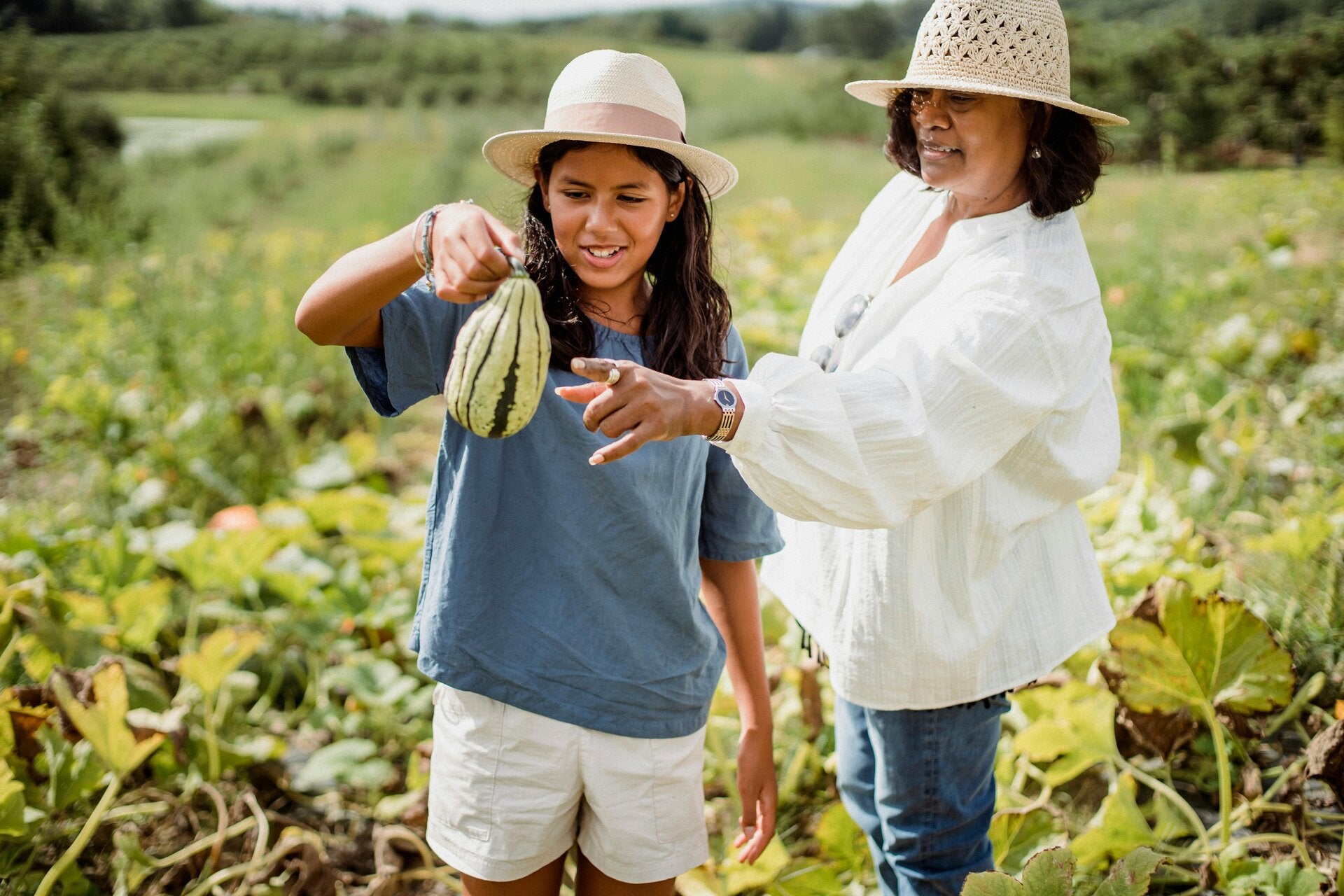
It is my hope that this page reveals the rich cultural food history of Africans and African Americans, a history that has been significantly assimilated into the traditions and beliefs of American culture. This tradition holds a special place in my heart, as I recall my grandmother growing black-eyed peas in her garden when I was growing up. Black-eyed peas, often served with cornbread, were a part of many of our evening meals.
As the Bible commands us, "Encourage eating bread with joy." Ecclesiastes 9:7. This sentiment perfectly captures the spirit of these traditions, encouraging us to find joy and blessings in our meals and shared heritage.