

Africatown: A testament to resilience
Explore the remarkable history of Africatown, a vibrant community born from an unimaginable journey. Discover how strength, culture, and perseverance forged a lasting legacy in the heart of Alabama.
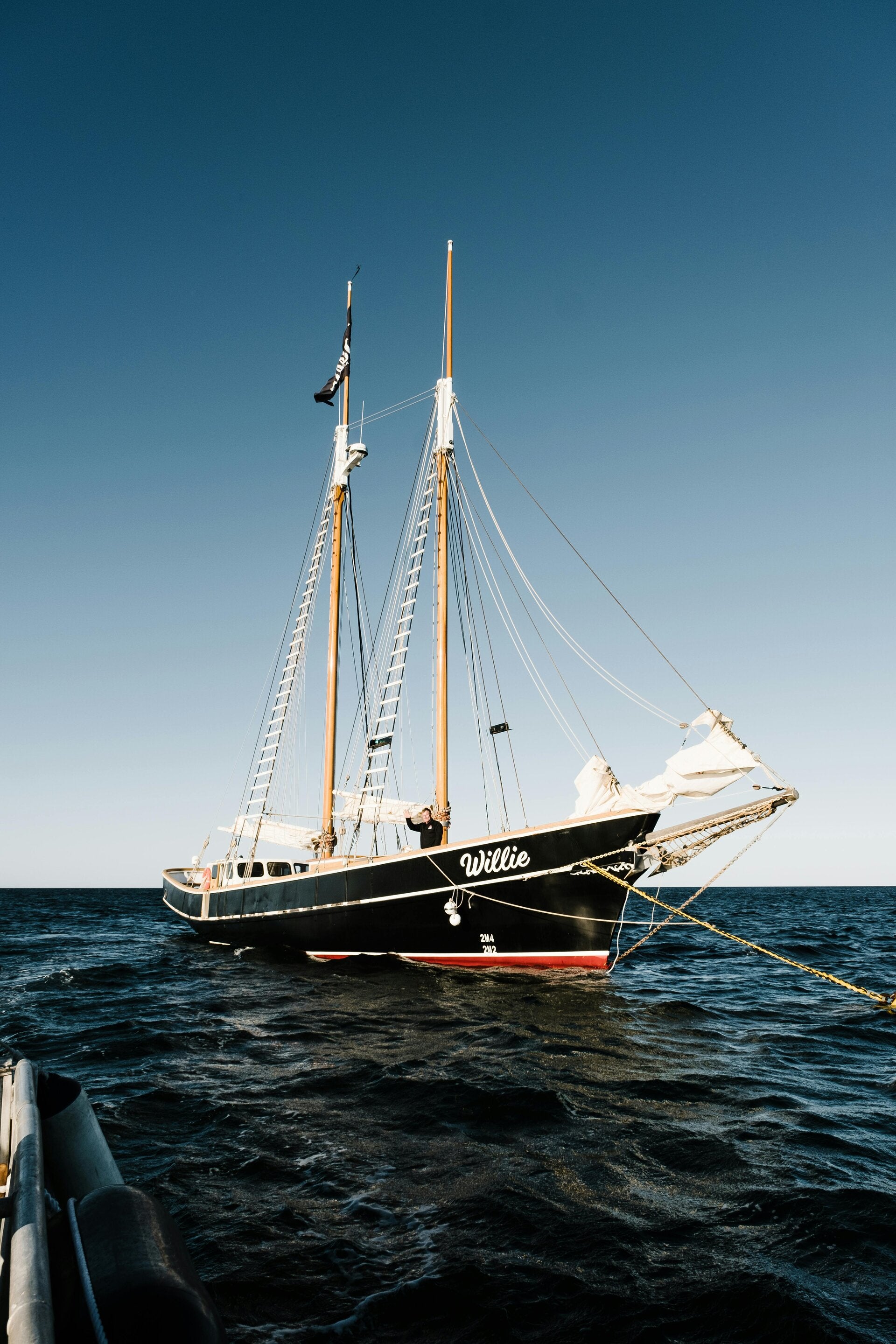
The journey of the Clotilda
Africatown, a historic African American community in Mobile, Alabama, stands as a remarkable connection to the transatlantic slave trade and the enduring spirit of Black perseverance in the United States. The story begins in 1860 with the "Clotilda," the last known ship to illegally transport enslaved Africans to the United States. Despite the international prohibition of enslaved people by U.S. law since 1808, the Clotilda arrived in Mobile with 110 African captives, marking a dark chapter in history but also the genesis of an extraordinary community.
Building a new home and identity
After the Civil War and emancipation, the survivors of the "Clotilda" established a community near Mobile that would forever be known as Africatown. With unwavering determination, they purchased land, built homes, and established vital community institutions like a church and a school. Crucially, they maintained elements of their West African cultural traditions, weaving their heritage into the fabric of their new lives. One of its best-known survivors was Cudjo Lewis, whose invaluable experiences were documented by the renowned author Zora Neale Hurston.

A living legacy of cultural strength
Africatown's early residents created their own systems of leadership and community life, diligently preserving a strong sense of their African identity. This town matters immensely because it stands as a powerful example of cultural preservation and community building against all odds. Today, descendants of these courageous African people continue to live and advocate for their community, ensuring that the legacy of Africatown endures and inspires future generations. We hope to convey to visitors how African Americans have adapted their community, culture, and traditions from their African ancestors, making those values important hundreds of years later by developing this and other communities throughout the nation.