

Abu Bakr II of Mali: The voyager king
Long before European explorers crossed the Atlantic Ocean, the powerful rulers of West Africa looked toward the horizon with bold vision and daring curiosity. Learn about the early 14th-century ruler of the Mali Empire who relinquished his imperial throne to navigate the vast unknown ocean over a century before Christopher Columbus set sail.
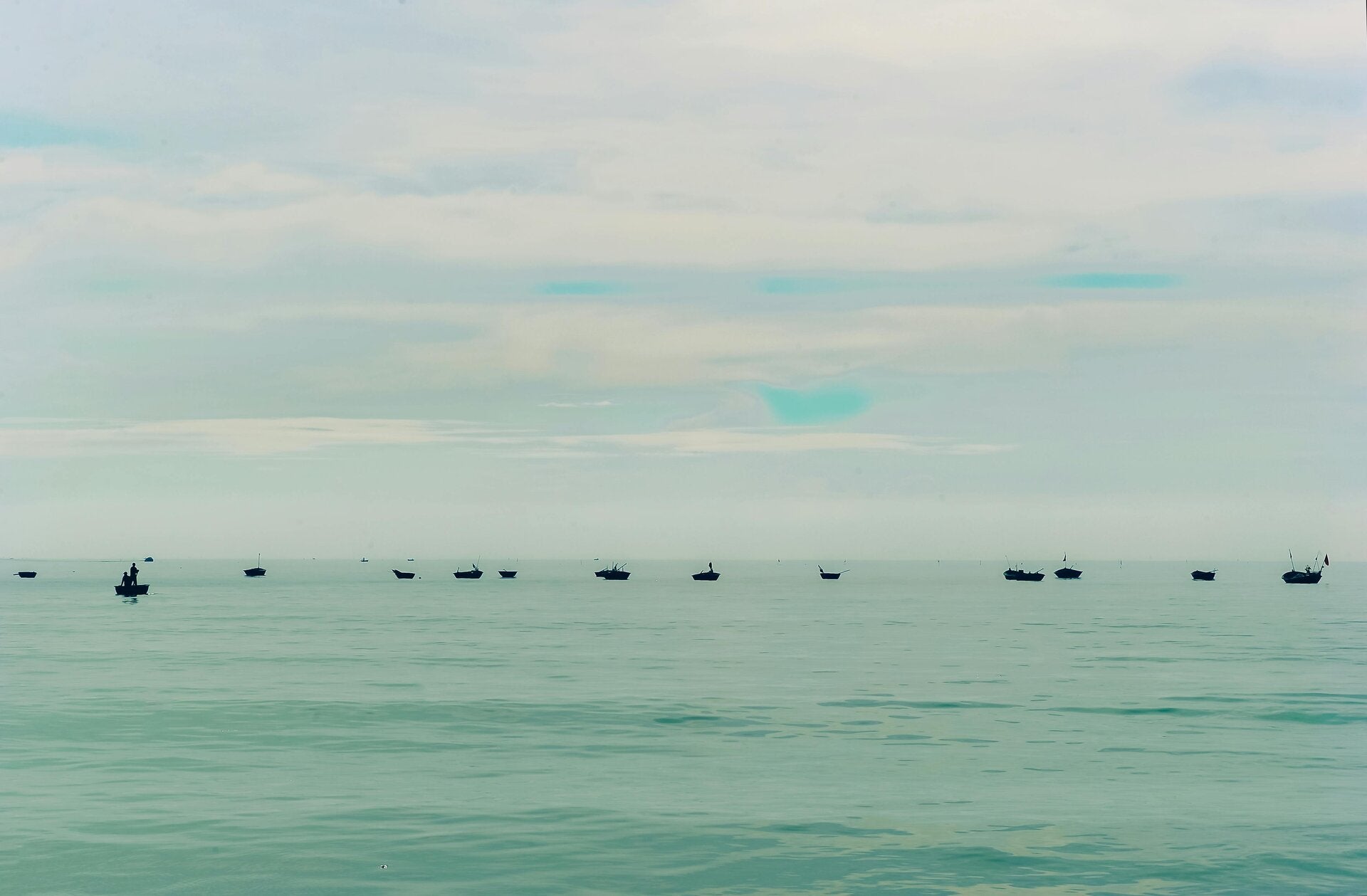
A monarch driven by the ocean
Abu Bakr II was a sovereign ruler of the wealthy Mali Empire during the early 14th century who held an enduring fascination with what lay beyond the Atlantic Ocean. Recorded primarily through accounts by the 14th-century Arab historian Shihab al-Din al-Umari—relaying conversations from Mansa Musa in Cairo—Abu Bakr II became consumed by discovering the furthest boundaries of the sea. Rather than remaining content with his vast earthly kingdom, he dedicated immense resources toward ocean navigation and exploration.

The great expeditions of 1311
Determined to test the limits of the ocean, Abu Bakr II initially dispatched a massive fleet of ships stocked with rations for years. When only a solitary captain returned to tell of whirlpools and rapid currents that engulfed the rest of the fleet, the king's ambition did not waver. Around 1311, Abu Bakr II took the extraordinary step of abdicating his golden throne, handing leadership of the empire to Mansa Musa. He personally assembled and boarded a second, far grander fleet of ships and sailed west into the open Atlantic, never to return.

Maritime curiosity and lasting legacy
While some modern writers have suggested that Abu Bakr II may have reached the Americas before Christopher Columbus, there is no reliable archaeological or documentary evidence confirming a landing. Regardless, the historical reality is deeply profound: more than a century before Columbus's 1492 voyage, an ambitious African emperor marshaled extraordinary wealth and maritime vision to venture across the ocean. His voyage stands as a testament to the ingenuity, courage, and far-reaching curiosity that defined medieval West Africa.